


Dhiraj Kandel
Managing DirectorSchedule a free consultation with our expert counselors to discuss your study
The essentials at a glance
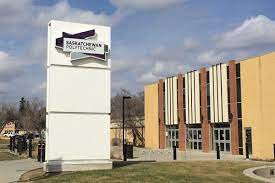
Ask a nurse, a power engineer, or a hospitality manager working anywhere in Saskatchewan where they trained, and there’s a good chance the answer is Saskatchewan Polytechnic (saskpolytech.ca).
Main points from this page
Ask a nurse, a power engineer, or a hospitality manager working anywhere in Saskatchewan where they trained, and there’s a good chance the answer is Saskatchewan Polytechnic (saskpolytech.ca). It started life in 1959 as the Saskatchewan Institute of Applied Science and Technology, training the tradespeople and technicians the province needed, and was renamed Saskatchewan Polytechnic in 2010 once it had grown into the province’s main public institution for applied, career-focused education.
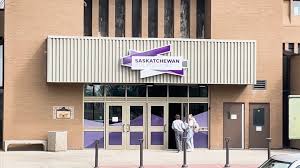
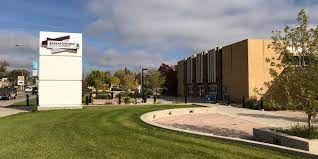
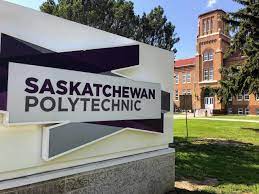
There is no single main campus. Saskatchewan Polytechnic runs full programs out of four cities – Saskatoon, Regina, Moose Jaw and Prince Albert – so where you study often comes down to which program you’re chasing. According to the institution’s own Quick Facts page, more than 18,000 enrolments are recorded across Sask Polytech-delivered programs each year, spread across certificates, diplomas, applied degrees and post-graduate certificates.
For Nepali students, the appeal is practical: shorter, skills-based programs with real lab time and work placements, in a province with a genuine shortage of skilled workers. The best consultancy in Nepal for Canada can help you work out which campus and which program actually fits your goals before you apply.
Saskatchewan Polytechnic currently has 4 campuses. They are listed below:
| S.No | Campus Name | City | Province | Country |
| 1. | Regina | Regina | Saskatchewan | Canada |
| 2. | Prince Albert | Prince Albert | Saskatchewan | Canada |
| 3. | Saskatoon | Saskatoon | Saskatchewan | Canada |
| 4. | Moose Jaw | Moose Jaw | Saskatchewan | Canada |
Saskatchewan Polytechnic offers programs across several credential levels, from certificates through to applied degrees and select master’s-level programming. You can browse every current offering on the official A-Z Program Listing.
| S.No | Program Level |
| 1. | Certificate |
| 2. | Diploma |
| 3. | Applied Degree |
| 4. | Post-Graduate Certificate |
| 5. | Bachelor’s Degree (select programs) |
International students studying at Saskatchewan Polytechnic can access a range of campus services. They are given below:
Saskatchewan Polytechnic (and its predecessor, SIAST) has produced a large body of alumni working across trades, health care and public life. Some notable graduates include:
Tuition varies significantly by program, campus and credential level – a two-month business certificate costs far less than a two-year health sciences diploma. Sask Polytech publishes exact, current, program-by-program international tuition on its official International Tuition & Fees page, which is always the source to check before budgeting.
Sask Polytech Library operates across all four campuses and online, giving students access to research databases, e-books, study rooms, and librarians who can help with academic research and citations. You can browse the catalogue, book a study space, or chat with a librarian directly through the Sask Polytech Library website.
Sask Polytech’s Career Counselling team helps students figure out career direction and plan their program pathway, while Student Employment Services posts part-time, seasonal and co-op job openings and runs on-campus career fairs connecting students with Saskatchewan employers.
International students on a study permit can generally work off-campus part-time during school terms and full-time during scheduled breaks, subject to the conditions on their study permit – always confirm your own eligibility with an immigration advisor before accepting work.
Most Saskatchewan Polytechnic programs admit new students once a year, typically in the fall, though a handful of programs also run a winter intake and some Continuing Education courses start throughout the year. Because intake timing and application windows vary by program, always check the specific program page on the official Programs for International Students page, or confirm directly with Goreto, before finalising your application plan.
| BACHELOR’S DEGREE PROGRAM – ELIGIBILITY | ||
| Minimum 60% in 10th & 12th. | Minimum 5.5 IELTS reading score, 5.5 IELTS Writing score, Minimum 5.5 Listening score, Minimum 5.5 Speaking score. Overall 6.0 IELTS band score. | SOP, LOR, Transcript, Resume, Official score reporting, WES. |
| POST-SECONDARY DIPLOMA OR CERTIFICATE PROGRAM – ELIGIBILITY | ||
| Minimum 60% in 10th & 12th. Minimum 55% in diploma & Bachelor’s courses. | Minimum 6.0 IELTS reading score, 6.0 IELTS Writing score, Minimum 6.0 Listening score, Minimum 6.0 Speaking score. Overall 6.5 IELTS Band score. | SOP, LOR, Transcript, Resume, Official score reporting, WES. |
| GRADUATE CERTIFICATE PROGRAM – ELIGIBILITY | ||
| Minimum 60% in 10th & 12th. | Minimum 5.5 IELTS reading score, 5.5 IELTS Writing score, Minimum 5.5 Listening score, Minimum 5.5 Speaking score. Overall 6.0 IELTS band score. | SOP, LOR, Transcript, Resume, Official score reporting, WES |
| PG Work permit | Yes |
| Part-time jobs | Yes |
| Internship | No |
| Scholarship | Yes |
| Research | No |
| Credit transfer | No |
| Co Ops | Yes |
| Option for PR | Yes |
| PROGRAM LEVEL | IELTS | PTE | Duolingo |
| Diploma & Certificate | 6.5 no module less than 5.5 | 63 no module less than 50 | 105+ |
| For Nursing Program | 7.0 no module less than 6.0 (Speaking 7.0) | 63 no module less than 50 | 105+ |
| PG Program | 6.5 no module less than 5.5 | 63 no module less than 50 | 105+ |
Exact document checklists vary by program and campus, but most Saskatchewan Polytechnic applications from Nepal ask for:
The full, current checklist for your specific program is confirmed during application on the official How to Apply page. For a general overview of what Nepali students typically need to prepare, see Goreto’s study abroad resources page.
Most Saskatchewan Polytechnic programs run on a single annual fall intake, with application windows that open roughly 8-10 months ahead and can close early once seats fill. As a general rule, plan to submit a complete application 9-12 months before your intended start date so you have time for offer processing, tuition deposit, and study permit approval. Confirm the current deadline for your specific program directly on the official Sask Polytech program page before you apply.
Saskatchewan Polytechnic operates campuses in four cities. The map below is centred on the Saskatoon campus – always double-check which campus your specific program runs from before you travel.
Hospitality, Culinary and Tourism
Prog Code:
N/A
Duration:
1 year
Part time jobs:
Yes
PGWP eligibility:
Yes
IELTS:
6.5 overall, no band below 6.0
TOEFL:
81 overall (iBT)
PTE:
58 overall
*Note:
A one-year post-graduate certificate covering hotel, restaurant, tourism and facility management, built for degree graduates moving into hospitality leadership roles.
Management, Administration and Organisation
Prog Code:
N/A
Duration:
2 years
Part time jobs:
Yes
PGWP eligibility:
Check current PGWP-eligible program list
IELTS:
6.5 overall, no band below 6.0
TOEFL:
81 overall (iBT)
PTE:
58 overall
*Note:
A one-year post-graduate certificate for degree holders, aimed at intermediate-level roles in banking, financial planning and credit counselling.
Saskatchewan Polytechnic does not operate large on-campus dormitories the way a traditional university does. Instead, its Housing office helps students find and evaluate off-campus rentals near each campus, and shares guidance on leases, roommates and tenant rights in Saskatchewan.
Most students – local and international – rent apartments, basement suites or shared houses close to their campus in Saskatoon, Regina, Moose Jaw or Prince Albert. Sask Polytech’s Housing page lists rental resources and safety tips for finding accommodation, and international students can also connect with the International Student Guide for city-specific advice before arrival.
For general guidance on budgeting, temporary stays on arrival and settling in as a Nepali student in Canada, see Goreto’s study abroad resources.
Important guidance note
This page provides general guidance about studying abroad. Requirements, fees and policies can change. For advice about your situation, speak with a Goreto counsellor before applying.
Book Your Free Consultation
From choosing the right country to finding scholarships and housing, our counselors will guide you at every step.
Choose the right country based on your goals
Find courses that match your career plan
Get guidance on colleges and universities
Plan your finances, scholarships & part-time jobs
Plan your abroad stay & post-study plan
Schedule a free consultation with our expert counselors to discuss your study

Schedule a free consultation with our expert counselors to discuss your study