


Dhiraj Kandel
Managing DirectorSchedule a free consultation with our expert counselors to discuss your study
The essentials at a glance
How Much Can Students Earn from Part-Time Jobs in The USA? You can usually earn around USD 10–25 per hour from part-time jobs, depending on the state, city, employer, job type, campus policy, experience, and tips. The federal minimum wage is USD 7.25 per hour, but many states have higher minimum wage rules, so students should always check the wage rate in the state where they study.
Main points from this page
Part-time jobs are important for many international students in the USA. They can help you manage daily expenses, build confidence, improve communication skills, understand American work culture, and gain useful experience while studying.
For Nepali students and other international students, working part-time can also make student life easier. It may help with food, transport, phone bills, books, personal expenses, and some rent support. But it is important to be realistic: part-time work should support your student life, not replace your main goal of studying.
The USA has clear student visa rules, especially for F-1 students. You cannot simply work anywhere you want without checking your visa conditions. Most F-1 students can work in certain approved ways, but the rules depend on the job type, your school, your visa status, and your Designated School Official (DSO).
This guide explains the best part-time jobs in the USA for international students, estimated pay ranges, F-1 student work rules, on-campus and off-campus job options, documents needed, job search tips, and practical advice for Nepali students planning to study in the USA.
Yes, international students can work part-time in the USA, but they must follow student visa rules carefully. F-1 students are generally allowed to work on campus under certain conditions.
According to Study in the States, F-1 students who participate in on-campus employment may not work more than 20 hours per week while school is in session. During official school breaks, such as summer vacation or winter break, you may be allowed to work full-time if you are eligible and continuing your studies.
Off-campus work is more restricted. USCIS states that F-1 students may not work off campus during the first academic year, but they may accept on-campus employment subject to conditions and restrictions. This means you should never accept an off-campus job without first checking with your DSO.
F-1 student work rules exist to ensure your primary purpose in the USA remains education. You may be allowed to work while studying, but the type of work, number of hours, and approval process depend on whether the job is on campus, off campus, or connected to your academic program. F-1 students must also remain in a valid status and comply with employment rules set by their school and U.S. immigration authorities.
| Work Type | Usually Allowed? | Important Rule |
| On-campus job | Yes, if eligible | Usually limited to 20 hours per week while school is in session. |
| Full-time work during breaks | Often allowed if eligible | Must be during official school breaks and allowed by school rules. |
| Off-campus job | Restricted | Usually needs proper authorization before you start. |
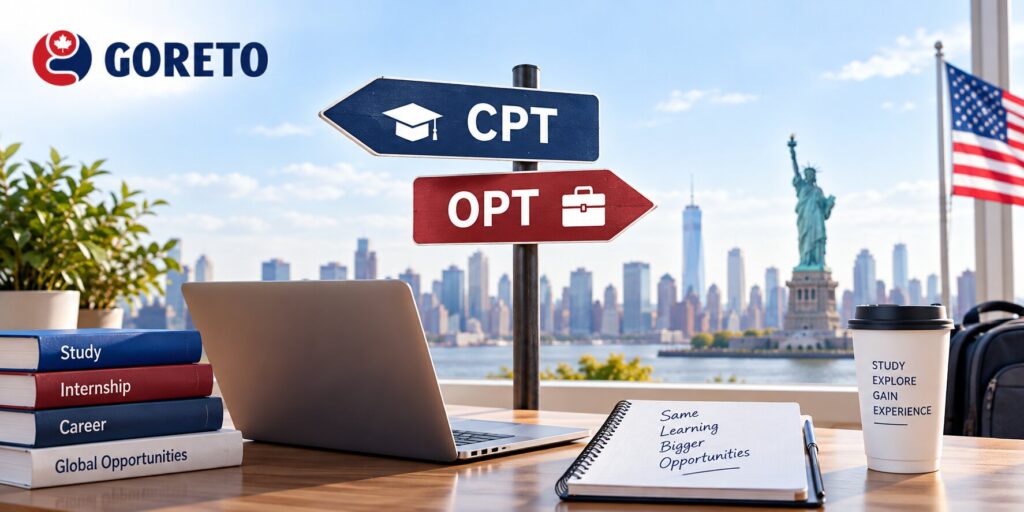
| CPT | Possible | Must be related to your program and authorized by your DSO. |
| OPT | Possible | Must be connected to your field of study and usually needs a DSO recommendation and USCIS approval. |
| Freelance or remote work | Risky without approval | You should ask your DSO before accepting paid work. |
On-campus employment is usually the easiest work option for F-1 students. It generally means working for your university or within the campus system, such as in the library, dining hall, student office, academic department, research lab, or campus support service. F-1 students doing on-campus work may not work more than 20 hours per week while school is in session.
Off-campus work is more restricted for F-1 students. You should not accept a job outside your university unless you have the correct authorization. This includes regular jobs, internships, freelance work, remote work, paid online work, and work for a company not affiliated with your campus.
The best jobs for students in the USA are usually flexible, easy to balance with classes, and safe from visa-rule problems. On-campus jobs are often the best starting point for F-1 students because they are usually easier to manage legally and practically.
The earning ranges below are estimated hourly earnings before tax. Actual pay depends on your state, city, university, employer, tips, experience, and job duties.
| Job Type | Estimated Hourly Earnings | Why It Is Good for International Students |
| Library assistant | $12–$18 | Quiet environment, campus-based, flexible hours |
| Teaching assistant | $15–$25 | Academic experience and strong resume value |
| Research assistant | $15–$28 | Useful for graduate students and research careers |
| Campus dining worker | $12–$18 | Easy entry-level campus job |
| Tutor | $15–$30 | Good for students strong in a subject |
| Retail assistant | $13–$20 | Builds communication and customer service skills |
| Barista | $12–$18 plus possible tips | Flexible shifts and social environment |
| Administrative assistant | $14–$22 | Office experience and professional skills |
| Student ambassador | $13–$20 | Great for communication and campus involvement |
| IT support assistant | $15–$25 | Good for tech students and skilled applicants |
| Receptionist | $13–$21 | Builds office and people-facing skills |
| Freelance or remote work | Varies | Flexible but legally sensitive for F-1 students |
Library assistants may earn around $12–$18 per hour before tax, depending on the university, location, and job duties. This is one of the most suitable on-campus jobs in the USA for international students because it is usually calm, structured, and student-friendly.
Your work may include arranging books, helping students find resources, checking materials in and out, managing study rooms, or supporting library staff. It is a good option if you prefer a quieter workplace and want a job that does not feel too physically demanding.
Teaching assistants may earn around $15–$25 per hour before tax, though pay can vary widely by department, degree level, and university policy. This is one of the best jobs for students in the USA if you are academically strong and enjoy helping others learn.
Teaching assistant roles are more common for graduate students, but some undergraduate students may also find peer-learning or lab assistant roles. Your duties may include helping professors, grading assignments, supporting lab sessions, answering student questions, or leading tutorials.
Research assistants may earn around $15–$28 per hour before tax, depending on the research field, funding, and university department. This is a strong option for students who want experience in academic research, science, engineering, data, business, public health, or social science.
You may help collect data, review articles, run experiments, organize research materials, support professors, or assist with reports. For students planning master’s, PhD, or research-focused careers, this job can add serious value to your resume.
Campus dining workers may earn around $12–$18 per hour before tax, depending on the campus and state. This is one of the most common student jobs in the USA because universities often hire many students to work in dining halls, cafes, and food service areas.
Your work may include serving food, preparing counters, cleaning tables, handling basic kitchen tasks, or assisting customers. It can be busy, but the advantage is that these jobs often have multiple shifts, making them easier to fit around your class schedule.
Tutors may earn around $15–$30 per hour before tax, depending on the subject, level, and whether the work is through the university or another approved channel. Tutoring can be one of the highest-paying part-time jobs in the USA for students who are strong in subjects like math, writing, computer science, accounting, science, or languages.
For F-1 students, tutoring through your university’s official tutoring center is usually safer than private off-campus tutoring. If you want to tutor independently, check with your DSO first, as off-campus paid work may require authorization.
Retail assistants may earn around $13–$20 per hour before tax, depending on the state, store, city, and employer. This job can help you build communication, sales, teamwork, and customer service skills.
Retail jobs include working in bookstores, clothing stores, supermarkets, electronics shops, or campus stores. For F-1 students, the key issue is location and authorization. A campus bookstore may be allowed as on-campus employment, but a retail shop outside campus may require proper authorization. Always check with your DSO before accepting off-campus retail work.
Baristas may earn around $12–$18 per hour before tax, and some roles may include tips depending on the employer and local rules. This is a popular part-time job salary in the USA category because cafes often offer flexible shifts.
You may prepare coffee, take orders, serve customers, clean work areas, and manage basic cashier duties. A cafe inside the university may be a good on-campus option. A cafe outside campus may not be allowed unless you have proper work authorization, so verify first.
Administrative assistants may earn around $14–$22 per hour before tax, depending on the university department and city. This is a useful job if you want office experience while studying.
Your tasks may include responding to emails, organizing files, scheduling appointments, assisting staff, entering data, or managing front-desk duties. This job improves your professional communication skills and provides experience that can help in future internships or full-time roles.
Student ambassadors may earn around $13–$20 per hour before tax, depending on the university. This role is great for confident students who enjoy speaking with people and representing their campus.
You may guide campus tours, support admission events, help new students, speak to visitors, or assist international student offices. For Nepali students, this can be a great way to improve confidence and make connections within the university community.
IT support assistants may earn around $15–$25 per hour before tax, depending on skill level and department. This can be one of the best part-time jobs in the USA for international students studying computer science, IT, data, engineering, or related subjects.
You may help students and staff with computer setup, Wi-Fi issues, software problems, lab systems, printers, or basic troubleshooting. This role can also strengthen your resume if you want internships in technology or technical support.
Receptionists may earn around $13–$21 per hour before tax, depending on the workplace and location. This job is common in campus offices, student service centers, residence halls, gyms, and academic departments.
Your duties may include greeting visitors, answering calls, booking appointments, replying to basic questions, and organizing front-desk tasks. It is a good role if you want to improve your English communication and professional behavior.
Freelance or remote work can pay very differently, from low project-based rates to higher hourly earnings depending on skills. Examples include writing, design, coding, social media, tutoring, virtual assistance, or online services.
However, this is one of the most legally sensitive areas for F-1 students. Even if the client is outside the USA or the work is online, it may still count as employment while you are physically in the USA. Do not assume freelance or remote work is allowed. Always ask your DSO before accepting paid freelance, remote, online, or self-employed work.
You can usually earn around USD 10–25 per hour from part-time jobs, depending on the state, city, employer, job type, campus policy, experience, and tips. The federal minimum wage is USD 7.25 per hour, but many states have higher minimum wage rules, so students should always check the wage rate in the state where they study.
For F-1 students, on-campus work is usually limited to 20 hours per week while school is in session, so a student earning USD 15 per hour and working 20 hours per week could earn around USD 300 per week before tax during regular academic terms.
| Job category | Estimated hourly range before tax |
| Basic campus jobs | $10–$18 |
| Office and admin jobs | $12–$22 |
| Dining and café jobs | $10–$20 |
| Tutoring jobs | $15–$35 |
| Research or TA roles | $12–$28 |
| IT support jobs | $14–$28 |
| Retail jobs | $12–$20 |
On-campus jobs are jobs that are connected to your university or college, usually within the campus or school system. For F-1 international students in the USA, these jobs are often the safest option because they may include roles like library assistant, dining hall worker, teaching assistant, research assistant, student ambassador, or campus office assistant.
Off-campus jobs are jobs outside your university or college, such as working for a private company, restaurant, store, office, or external employer. For F-1 students, off-campus jobs are more restricted and usually require authorization, such as CPT, OPT, or DSO approval, before starting work.
| Factor | On-Campus Jobs in the USA | Off-Campus Jobs in the USA |
| Meaning | Jobs connected to your university or campus system. | Jobs outside your university with an external employer. |
| Common examples | Library assistant, dining hall worker, campus office assistant, teaching assistant, research assistant. | Internship, company job, CPT role, OPT role, approved field-related work. |
| Best for | New F-1 students who want a safer and easier work option. | Students who need career-related experience outside the campus. |
| Authorization | Usually allowed if you meet F-1 rules and school requirements. | Usually requires proper approval before you start. |
| Work-hour limit | Usually up to 20 hours per week while school is in session. | Depends on the type of authorization, such as CPT or OPT. |
| Connection to study | May or may not be directly related to your major. | Usually needs to be connected to your field of study, especially for CPT or OPT. |
| Approval process | Often handled through university policies and campus hiring processes. | Must be checked with your DSO; some options may require USCIS approval. |
| Risk level | Lower risk if you follow campus work rules. | Higher risk if you work without proper authorization. |
| Travel time | Usually low because the job is on or near campus. | Can be higher depending on the employer’s location. |
| Student-friendly factor | Often fits better around class schedules. | May offer better career exposure, but needs more caution. |
Students in the USA should start their job search with on-campus sources because on-campus work is usually the safest and most common option for F-1 students. F-1 students can accept on-campus employment under certain conditions, but off-campus work is restricted and usually needs proper authorization.
The best places to find part-time jobs in the USA include:
Before applying, prepare a simple U.S.-style resume, know your class schedule, confirm your legal work limits, and never accept off-campus, freelance, or remote paid work without first checking with your DSO.
Students in the USA must follow F-1 student work rules carefully because the main purpose of the F-1 visa is to study. You may be allowed to work while studying, but the job must be permitted under your visa status, school rules, and U.S. immigration regulations.
Important student visa work rules in the USA include:
The safest approach is simple: start with on-campus jobs, check every rule with your university’s international student office, and never assume that a paid job is allowed just because it is part-time or remote.
Students applying for jobs in the USA usually need a simple resume, a valid passport, an F-1 visa, a Form I-20, an I-94 record, a Social Security Number if required by the employer, and approval from their school’s DSO for eligible work. For off-campus jobs such as CPT or OPT, you may also need proper work authorization documents, such as CPT approval on the I-20 or an EAD card for OPT.
Nepalese Students should prepare:
For Nepali students in the USA, part-time jobs can help cover daily expenses, reduce financial pressure on their families, and build confidence in a new academic environment. Beyond earning money, you also get a chance to improve communication skills, understand American workplace culture, make new connections, and gain useful experience while studying.
Part-time jobs should be seen as support for additional expenses, not as the primary means of covering study costs in the USA. In most cases, part-time income is not enough to cover full tuition fees, living costs, health insurance, travel, and other major study-related expenses.
However, it is important to understand the rules before starting work. You should check your F-1 student work conditions, speak with your DSO before accepting any job, prepare a simple U.S.-style resume, apply through trusted job sources, avoid scams, and understand your basic workplace rights.
Once these things are ready, you can begin your job search with more confidence. If you are still in Nepal and planning to apply to the USA, speaking with a trusted education consultancy can help you better understand university options, F-1 visa rules, work limits, and student life.
Part-time jobs can help international students in the USA cover daily expenses such as food, transport, phone bills, books, and some personal costs, but they are usually not enough to cover full tuition and all living expenses.
F-1 students can usually work up to 20 hours per week on campus while school is in session. During official school breaks, students may be allowed to work full-time if they are eligible and their school permits it.
The best part-time jobs for international students in the USA are usually on-campus jobs such as library assistant, campus dining worker, teaching assistant, research assistant, student ambassador, administrative assistant, and IT support assistant. These jobs are often easier to manage with class schedules and F-1 work rules.
F-1 students should be very careful with freelance, remote, online, or paid project work. Even if the work is part-time or online, it may still count as employment, so students should always ask their DSO before accepting any freelance or remote work.
F-1 students cannot simply work off-campus whenever they want. Off-campus work is usually restricted and may require approval through options like CPT, OPT, or other authorized employment, so students should always speak with their DSO before accepting any off-campus job
Yes, international students usually need a Social Security Number, or SSN, if they are going to work legally in the USA. The SSN is generally used for employment and tax purposes, and students typically need proof of authorization to work before applying.
Working without proper authorization can create serious problems for an F-1 student. It may affect student status, future visa applications, OPT/CPT eligibility, and the ability to stay in the USA, so students should never accept unauthorized cash, freelance, remote, or off-campus work.
The federal minimum wage in the USA is USD 7.25 per hour, but many states have higher minimum wage rules. This means student earnings can vary widely depending on where the university is located.
Important guidance note
This page provides general guidance about studying abroad. Requirements, fees and policies can change. For advice about your situation, speak with a Goreto counsellor before applying.


Book Your Free Consultation
From choosing the right country to finding scholarships and housing, our counselors will guide you at every step.
Choose the right country based on your goals
Find courses that match your career plan
Get guidance on colleges and universities
Plan your finances, scholarships & part-time jobs
Plan your abroad stay & post-study plan

Schedule a free consultation with our expert counselors to discuss your study

Schedule a free consultation with our expert counselors to discuss your study