

Dhiraj Kandel
Managing DirectorSchedule a free consultation with our expert counselors to discuss your study
The essentials at a glance
Norway is home to some of the best universities in the world, known for their high-quality education and research opportunities. With over 8 public universities and several private institutions, Norway offers a wide range of academic programs recognized globally.
Main points from this page
Studying abroad offers the best opportunity for students to gain the skills necessary to succeed in their future careers.
If you are seeking a high-quality education system, combined with a welcoming and supportive environment, Norway can be your top choice.
For students aspiring to study in Norway, Goreto Education Consultancy stands out as the best consultancy in Nepal for Norway, providing expert guidance and support throughout the entire application and visa process.
Norway’s high-quality education system has consistently earned recognition worldwide for its innovative teaching methods and commitment to research.
The country has seen a steady increase in international student admissions, showcasing its effectiveness in education and research.
It’s the dream of students from around the globe to acquire international degrees from Norway’s reputed universities, making it a popular destination for education.
Norway is known for the quality of its higher education programs, and it offers a range of financial aid options to international students.
Many institutions provide guidance and support for scholarships, making it easier for international students to finance their studies.
This has made Norway an attractive option for students looking for both quality education and financial assistance.
The top universities in Norway rank highly in the world, with institutions such as the University of Oslo and the Norwegian University of Science and Technology (NTNU) offering world-class education in a variety of fields.
A unique feature of these top universities is their commitment to providing opportunities for international students, often offering scholarships and funding programs that help make studying in Norway more accessible.
These scholarships enable international students to remain competitive in the global economy while pursuing their educational dreams in Norway.
The number one university in Norway is the University of Oslo.
It is the highest-ranking university in Norway and is well-regarded internationally.
Top universities in Norway, such as the University of Oslo, Norwegian University of Science and Technology (NTNU), and University of Bergen, are among the hardest to get into due to their competitive admission process, especially for international students.
Oslo, Bergen, and Trondheim are known for housing some of the best universities in Norway.
The University of Oslo is located in the capital city, while NTNU is situated in Trondheim, and the University of Bergen is in Bergen.
If you’re aiming to study abroad in Norway, applying to top universities such as the University of Oslo or NTNU would be ideal.
If you have a strong educational background, getting accepted should not be a worry.
If you need assistance during the application process, you can contact trusted educational partners like Goreto Educational, the best consultancy for studying in Norway from Nepal.
They offer affordable and comprehensive services to help you apply to Norwegian universities with ease.
You are welcome to talk with our counsellors in Nepal. Fill out the form below we will get back to you ASAP.
Studying in Norway has truly been a life-changing experience for me. The education system here is so inspiring — it encourages you to think differently, question ideas, and find creative solutions. I’ve grown not only academically but also personally, becoming more confident and independent. Living in such a peaceful, supportive environment has completely changed how I see the world and my future.
Norway is home to some of the best universities in the world, known for their high-quality education and research opportunities.
With over 8 public universities and several private institutions, Norway offers a wide range of academic programs recognized globally.
The degrees awarded by Norwegian universities are respected worldwide, and the country’s educational standards are considered to be among the highest in Europe.
Norwegian universities offer a range of undergraduate, graduate, and professional programs, including fields like humanities, social sciences, business and economics, engineering, law, and medicine.
These top-ranked institutions not only offer traditional academic programs but also provide unique and innovative degree programs, with an emphasis on both theoretical knowledge and practical skills that prepare students for the workforce.
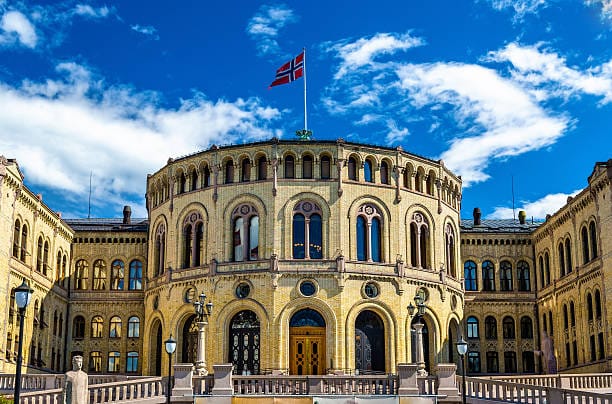
In addition to excellent education programs, Norwegian universities offer scholarships for international students, including those from Nepal.
Studying in Norway not only allows you to build your academic knowledge but also provides you with the opportunity to gain hands-on experience in your field of study.
The top universities in Norway, such as the University of Oslo, the Norwegian University of Science and Technology (NTNU), and the University of Bergen, have a strong global reputation and consistently rank among the best in the world for their academic offerings.
Norway primarily uses Norwegian for most programs, but many universities offer courses in English, especially at the master’s level. Make sure you choose a university that offers programs in the language you’re most comfortable with.
Whether you prefer studying at a university, vocational school, or institute, Norway has a variety of institutions to suit your academic goals.
Consider whether you’re looking for an undergraduate, master’s, or PhD program, as some universities may offer more specialized programs at certain levels.
Norway is known for its stunning natural landscapes. Research whether you prefer studying in a vibrant city like Oslo or Bergen or a quieter, more rural location.
Some Norwegian universities have large, bustling campuses with a wide variety of resources, while others may have smaller, more intimate settings. Decide which environment best suits your learning style.
Investigate the academic reputation of each university and look at the job placement rates for graduates in your field of interest.
Norwegian universities are well-equipped with modern libraries, research labs, and cutting-edge technology. Check the resources available in your field of study.
Look for programs that offer work placements, internships, or co-op programs, as these can be essential for gaining practical experience.
Ensure that the university can accommodate students with special needs, whether related to physical disabilities or learning challenges.
Consider whether the university offers clubs, sports, student unions, or other recreational activities that interest you outside of your academic work.
Norway is becoming one of the most sought-after study destinations in Europe, attracting students from around the world.
The country is known for its friendly attitude toward international students and offers many opportunities for personal and academic growth.
Norwegian universities are among the highest-ranking institutions globally, offering practical, career-focused programs designed to meet real-world demands.
Degrees from Norwegian universities are widely recognized and respected internationally, opening doors to global career opportunities.
Norway provides excellent education standards along with strong employment prospects for graduates, especially in technology, business, and engineering fields.
Many universities offer scholarships, particularly for students from economically disadvantaged backgrounds, making higher education more accessible.
With world-class facilities and strong support systems, Norway ensures that international students adapt smoothly and succeed in their studies.
Each university may have different admission requirements, so it’s important to research and prepare your documents carefully before applying.
Students from non-English-speaking countries like Nepal must demonstrate English proficiency through tests such as IELTS or TOEFL.
Norway doesn’t have an official national ranking system, but you can refer to trusted global sources like the QS World University Rankings for general insights.
Rankings don’t always reflect the full picture. It’s helpful to consult professors, alumni, or professionals in your chosen field to get a better sense of a university’s academic reputation and strengths.
Norway is known for its excellent educational system, offering high-quality programs that attract students from all around the world.
Norwegian universities and colleges are well-regarded globally, and their degrees are highly respected.
Admission to the top universities can be competitive, but studying in Norway offers great benefits, from cutting-edge research to a strong focus on student welfare.
The University of Oslo is the highest-ranking university in Norway and one of the leading educational institutions in Europe.
It is located in Norway’s capital, Oslo, and offers a wide range of courses at the undergraduate, graduate, and doctoral levels.
Established in 1811, UiO is a public university known for its research in the humanities, natural sciences, and social sciences.
NTNU is the second-highest-ranking university in Norway and is located in Trondheim.
Established in 1996, it is known for its strong emphasis on technology, engineering, and natural sciences.
NTNU is widely regarded as the best university in Norway for engineering and technical disciplines.
The University of Bergen, founded in 1946, is located in the picturesque city of Bergen on the west coast of Norway.
It is one of Norway’s top universities and offers a wide array of programs in arts, humanities, social sciences, and natural sciences.
It has a strong research reputation, particularly in marine research and climate studies.
NHH, established in 1936, is located in Bergen and is Norway’s premier business school.
It offers a range of undergraduate, graduate, and PhD programs in economics, business administration, and management.
NHH is internationally recognized for its high-quality research in business economics and management.
Located in Tromsø, in the Arctic region, UiT is the northernmost university in the world.
Founded in 1968, it offers diverse programs across various fields, including Arctic studies, health sciences, and humanities.
UiT is particularly known for its research on Arctic climate and indigenous cultures.
The Norwegian School of Sport Sciences, established in 1968, is located in Oslo and is a specialized university focusing on physical education, sports science, and health.
It is recognized for its contributions to sports science research and has an excellent reputation for its research on health and physical activity.
BI Norwegian Business School, established in 1943, is located in Oslo and is one of the largest business schools in Europe.
It offers a wide range of business-related programs, from undergraduate to PhD levels, and is known for its international outlook and strong connections with the global business community.
OsloMet is one of Norway’s largest public universities and was established in 2018.
Located in Oslo, it offers various programs in fields such as social sciences, health, technology, and education.
OsloMet is particularly known for its strong focus on practical training and integration with industry.
Located in Ås, just outside Oslo, NMBU was established in 1859 and focuses on life sciences, sustainability, and environmental sciences.
It offers a range of programs in agriculture, veterinary medicine, food science, and environmental management.
NMBU is highly regarded for its research on sustainability and environmental issues.
The University of Stavanger, established in 2005, is located in the city of Stavanger on the southwestern coast of Norway.
UiS offers a variety of programs in engineering, business, health sciences, and social sciences, with a focus on providing students with practical skills and industry connections.
Located in Kristiansand, UiA was founded in 2007 and offers a wide range of programs in arts, sciences, and engineering.
It is known for its innovative teaching methods and its strong research contributions in fields such as technology, social sciences, and health.
INN University, established in 2016, is located in the inland region of Norway.
It offers a range of undergraduate and graduate programs in fields such as business, education, health, and technology.
The university is known for its focus on applied research and its strong ties with regional industries.
Volda University College, located in the small town of Volda in Western Norway, was established in 1994.
It offers programs in education, social sciences, media, and culture, and is particularly recognized for its programs in journalism and media studies.
The University of South-Eastern Norway was established in 2018 and offers a variety of undergraduate and graduate programs in fields such as engineering, business, and health sciences.
It is known for its focus on regional development and applied research in collaboration with local industries.
International applicants can choose undergraduate courses, postgraduate degrees, and short-term courses to study in Norway.
It is important to submit your complete application package on time to be considered for admission to Norway’s top universities.
Universities in Norway do not have a centralized application process. Students apply online via the university websites, and the application processes may vary by university.

Choosing the right university can be a daunting task, but you can consult with the best consultancy in Nepal for Norway – Goreto Education, to get expert advice on Norwegian universities and colleges.
This will certainly help make your process smoother and more convenient.
Below is a general overview of the admission process to Norwegian universities:
By following these steps, you can make your university application process to Norway more straightforward and organized.
Norway offers a world-class education system that focuses on innovation, research, and practical learning. The country is also known for its safety, beautiful environment, and friendly people, making it a great place to live and study.
Yes, most Norwegian universities offer many bachelor’s and master’s degree programs in English. This allows international students, including those from Nepal, to study comfortably without needing to learn Norwegian right away.
To apply, students must have completed +2 or equivalent education with good grades. English language proficiency is required, usually demonstrated through IELTS, TOEFL, or PTE. For master’s programs, students must hold a recognized bachelor’s degree.
Public universities in Norway have recently started charging tuition fees for non-EU/EEA students, including Nepali students. The average tuition fee ranges from NOK 80,000 to 150,000 per year, depending on the program and university.
Yes, international students can work up to 20 hours per week during semesters and full-time during holidays. This helps cover living expenses and provides valuable work experience.
Yes, several Norwegian universities offer scholarships to interntional students based on academic excellence or financial need. Students can also apply for external scholarship programs like Erasmus+ and university-specific funding options.
After completing their studies, students can apply for a residence permit to look for work in Norway. The country has strong job markets in fields such as engineering, information technology, business, and environmental sciences.
Important guidance note
This page provides general guidance about studying abroad. Requirements, fees and policies can change. For advice about your situation, speak with a Goreto counsellor before applying.
Book Your Free Consultation
From choosing the right country to finding scholarships and housing, our counselors will guide you at every step.
Choose the right country based on your goals
Find courses that match your career plan
Get guidance on colleges and universities
Plan your finances, scholarships & part-time jobs
Plan your abroad stay & post-study plan

Schedule a free consultation with our expert counselors to discuss your study

Schedule a free consultation with our expert counselors to discuss your study