
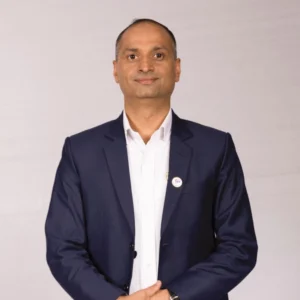
Dhiraj Kandel
Managing DirectorSchedule a free consultation with our expert counselors to discuss your study

 Written by Chet Raj Bhandari
Frequently asked question regarding University of Edinburg by Nepalese students are:
Yes, but you need excellent scores (usually 75%+). For competitive courses like Medicine or Computer Science, 80–90%+ is expected.
For most master’s programs, Edinburgh prefers a 4-year degree. Some departments may consider a 3-year degree if your grades and work experience are strong.
Undergraduate: IELTS 6.5 overall (no band below 6.0).
Postgraduate: IELTS 6.5–7.0 overall (6.0–6.5 in each). TOEFL, PTE, and Duolingo are also accepted.
Edinburgh is more affordable. Tuition fees for Nepali students are £23,000–£37,000/year, while living costs average NPR 1.5–2.2 lakh/month, which is lower than London.
Yes. Options include Edinburgh Global Undergraduate Scholarship, Commonwealth Shared Scholarship, and Chevening. These can cover tuition and sometimes living costs.
Yes. International students can work 20 hours per week during term and full-time in vacations. Jobs are available in cafés, libraries, shops, tutoring, and research roles.
Yes. The Nepalese Society at the university is active and welcoming. You’ll also find Nepali restaurants, grocery stores, and cultural events across the city.
Undergraduate applications go through UCAS, with a deadline of 25 January. Postgraduate deadlines are rolling but usually fall between February–May.
Yes. If you’re studying a full-time PG course of at least 1 year, you can bring dependants (spouse/children) on a dependent visa.
Yes. You can apply for the Graduate Route Visa, which allows you to stay and work in the UK for 2 years after UG/PG or 3 years after PhD.
From choosing the right country to finding scholarships and housing — our counselors will guide you at every step.
Choose the right country based on your goals
Find courses that match your career plan
Get guidance on colleges and universities
Plan your finances, scholarships & part-time jobs
Plan your abroad stay & post-study plan
Schedule a free consultation with our expert counselors to discuss your study

Schedule a free consultation with our expert counselors to discuss your study