

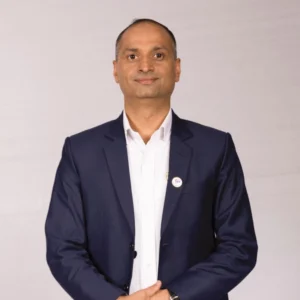
Dhiraj Kandel
Managing DirectorSchedule a free consultation with our expert counselors to discuss your study
The essentials at a glance
Avoid common USA F-1 visa mistakes with expert guidance on 214(b), DS-160, sponsor proof, interview preparation, and stronger approval chances.
Main points from this page
A U.S. student visa rejection usually occurs during the F-1 visa interview, where the visa officer assesses your genuine intent to study, proof of financial support, academic background, and ties to Nepal. For Nepali students, most refusals happen under Section 214(b) when the officer is not fully convinced that they will return after completing their studies.
In simple terms, the visa officer evaluates how credible your application is, and if your profile is incomplete or unclear, your chances of rejection can increase. This guide explains the most common reasons for visa rejection among students and how education consultancies can help applicants improve their profiles and increase their chances of approval.
Even if your documents are strong, weak answers or inconsistencies can quickly lead to a refusal under Section 214(b), meaning the officer believes you have not proven strong enough ties to Nepal or a genuine temporary study purpose.
These are the exact factors USA visa officers use to make quick F-1 decisions during the interview. If even one of these areas, such as financial proof, academic relevance, genuine study intent, or 214(b) immigration risk, raises doubts, it can directly lead to refusal. That is why understanding the most common reasons for F-1 visa refusals among Nepalese students is the next important step.
USA F-1 visas are commonly rejected due to 214(b) immigrant intent concerns, poor interview performance, weak academic alignment, funding issues, and DS-160 mistakes. US visa officers make fast decisions based on your credibility, clarity, financial stability, and genuine study intent, so even small inconsistencies can lead to refusal.
Section 214(b) is the most common reason for USA F-1 visa rejection, which happens when the visa officer believes your real goal is immigration rather than temporary study. Officers assess whether you have strong reasons to return to Nepal after completing your degree.
Common issues include:
Example: A student talks more about staying in the USA after graduation than about their academic goals. This raises concerns about immigrant intent and can lead to an immediate refusal under 214(b).
Confused, memorised, nervous, or inconsistent answers during the USA F-1 visa interview can quickly reduce your credibility. Proper preparation for a USA F-1 visa interview helps you give clear, confident, and natural answers during the interview.
Common issues include:
Example: A student cannot confidently explain why they chose a specific university. The officer may doubt their genuine purpose for study and refuse the visa.
Even with strong IELTS, TOEFL, or Duolingo scores, weak spoken English during the visa interview can affect your credibility. Since US universities operate in an English-speaking academic environment, officers quickly judge whether you can speak confidently, understand lectures, participate in class, and survive daily life in the USA. Poor communication can also make otherwise strong answers sound uncertain.
Common issues include:
Example: A student struggles to explain why they selected their major despite holding a good IELTS score. The officer may begin to doubt either the test’s authenticity or the student’s genuine academic readiness.
Choosing a university in the USA that does not align with your academic profile, budget, or career plan can raise concerns, as it seems illogical. The officer wants to see a logical reason behind your university selection.
Common issues include:
Example: A student with strong grades chooses a random low-credibility institution without explaining program strengths. This may weaken overall credibility.
During the interview, officers want to quickly understand why this exact major is the right next step for you. If your explanation sounds vague, random, or purely migration-driven, it creates doubts about whether your real purpose is genuinely academic.
Your chosen major should clearly make sense with your previous education, current skills, work experience, or long-term career goals. It should demonstrate clear academic progression or a credible career advancement. If the officer cannot connect your past background with your chosen major, the refusal risk becomes much higher.
Common issues include:
Example: A management student chooses biotechnology without explaining the shift, future role, or why the subject supports their long-term plans in Nepal. This weak logic may raise doubts about the study’s genuine intent.
A mismatch between your previous education and your chosen degree can lead to your F-1 visa being rejected because it directly affects your academic credibility and study intent.
The officer expects your education journey to follow a logical, career-oriented path, even if you are changing fields. Course changes are possible, but they must be supported by a clear transition story, relevant work experience, a future career direction, or an explanation of a skill gap.
Common issues include:
Example: A civil engineering graduate applies for a Master’s in fashion design without explaining work experience, entrepreneurial plans, or future business goals. This inconsistency may lead the officer to question genuine academic intent.
Insufficient financial proof is a major reason for student visa rejection, as it raises concerns about your ability to afford your education and living expenses abroad. Visa officers carefully review your financial documents to ensure you have enough funds to cover the cost of study, accommodation, and daily expenses without relying on unauthorized work.
Common financial issues include:
Example: A student shows a sudden, large deposit in their bank account without any clear source or supporting documents. This raises suspicion, and the visa officer may reject the application due to a lack of financial transparency.
The USA visa officer must be confident that you can cover your tuition fees, living expenses, health insurance, and emergency costs. You must clearly explain who is paying, how the money was earned, whether the source is stable, and why the funding will remain available in future semesters.
Visa officers are highly sensitive to financial inconsistencies because students who lack genuine funds may be seen as posing a higher risk of immigration or illegal work. Simply showing a large bank balance is not enough.
Common issues include:
Example: A student shows NPR 50 lakhs deposited recently, but cannot explain whether it came from business income, property sale, savings, or loan disbursement. This lack of transparency can immediately trigger doubts.
Your sponsor’s financial profile should logically support the total cost of studying in the USA, including tuition, housing, food, transport, and personal expenses.
Apart from the amount available, visa officers also assess whether your sponsor’s income source, profession, tax history, relationship, and savings pattern are believable enough to justify the cost. If the sponsor’s profile looks weak or financially stretched, the officer may question whether the funding is genuine or sustainable.
Common issues include:
Example: A sponsor earning NPR 60,000 monthly claims to fund a $50,000 annual degree without showing business profits, accumulated savings, or asset liquidation. This financial mismatch may reduce sponsor credibility.
DS-160 mistakes are a major reason for USA-specific visa rejections because visa officers compare the form against your passport, I-20, academic documents, and interview answers. If any detail does not match, it can quickly lead to visa refusal.
Even small errors can make your profile look careless or inconsistent. Since the DS-160 is treated as your official declaration, inaccuracies can quickly reduce trust. Fill the DS-160 carefully using details that exactly match your passport, I-20, academic records, travel history, and sponsor information, then review it twice before submission to avoid mistakes.
Common issues include:
Example: A student mentions previous employment during the interview that was omitted from the DS-160. The officer may view this as an inconsistency or possible concealment, which can immediately weaken trust.
Your I-20, DS-160, SEVIS fee record, financial documents, and interview answers must align perfectly. US visa officers are trained to spot inconsistencies very quickly, and any mismatch in your university details can directly impact the decision. This is especially common when students prepare through multiple counsellors and end up memorising incorrect program details.
Common issues include:
Example: A student says they are going for a data science program, but the I-20 lists information systems at a different campus. This inconsistency can make the officer question the authenticity of the entire application.
English language proficiency is an important factor in student visa decisions, as it reflects your ability to succeed academically in the USA’s English-speaking environment. Visa officers and universities both expect you to meet minimum language requirements through standardized tests like IELTS, PTE, or TOEFL.
Common issues include:
Example: A student applies with an IELTS score below the university’s requirement. This can lead to concerns about academic readiness and may result in visa rejection.
Avoiding student visa rejection requires careful planning, accurate documentation, and a clear, well-structured application. By following the right steps and presenting a consistent profile, students can significantly improve their chances of approval.
Follow these key steps to minimize rejection risks:
Education consultancies play a crucial role in improving student visa approval rates by guiding applicants through each step of the process with accuracy and clarity. From document preparation to interview readiness, their expertise helps students avoid common mistakes that often lead to rejection. With proper guidance, applicants can present a strong, well-structured profile that meets visa requirements.
US visas are often rejected because of small but avoidable mistakes like unclear answers, lack of confidence during the interview, weak financial proof, or missing details in your documents. The good news is that most of these issues can be fixed with the right preparation.
If you’re unsure about your interview answers, DS-160, funding documents, or overall profile, you don’t have to figure it out alone. Our team can help you review your application, from your university and course to your sponsor explanation and interview preparation.
Let’s make your application stronger and improve your chances of approval. Contact us today.
USA F-1 student visas are usually rejected when the visa officer is not fully convinced about your genuine study purpose, financial capability, academic relevance, or intent to return after your studies. Unlike some countries, US visa decisions rely heavily on your interview performance, DS-160 accuracy, I-20 details, and the credibility of your overall student profile during the short visa interview.
Yes, DS-160 mistakes are among the most common USA-specific reasons for rejection. Visa officers compare the DS-160 with your passport, I-20, academic documents, and interview answers, so even a small mismatch in personal details, travel history, education, or sponsor information can quickly lead to refusal.
There is no fixed embassy amount, but students should usually show sufficient funds to cover at least the first year’s tuition, living expenses, health insurance, and the emergency costs listed on the I-20. The key is not just the amount but also showing a clear, genuine, and stable source of funds.
Yes, you can reapply after an F-1 visa rejection, but only after addressing the specific issue that led to the refusal. Reapplying with the same weak interview answers, unclear sponsor explanation, or DS-160 mistakes may lead to another rejection.
You can improve your chances of success in your F-1 interview by giving clear, natural answers about your university, major, funding, and future career plans in Nepal. Strong English communication, honest responses, DS-160 consistency, and confidence during the interview significantly improve the chances of approval.
Important guidance note
This page provides general guidance about studying abroad. Requirements, fees and policies can change. For advice about your situation, speak with a Goreto counsellor before applying.
Book Your Free Consultation
From choosing the right country to finding scholarships and housing, our counselors will guide you at every step.
Choose the right country based on your goals
Find courses that match your career plan
Get guidance on colleges and universities
Plan your finances, scholarships & part-time jobs
Plan your abroad stay & post-study plan
Schedule a free consultation with our expert counselors to discuss your study

Schedule a free consultation with our expert counselors to discuss your study