


Dhiraj Kandel
Managing DirectorSchedule a free consultation with our expert counselors to discuss your study

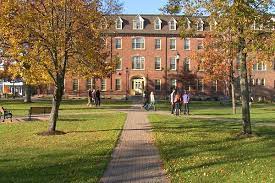
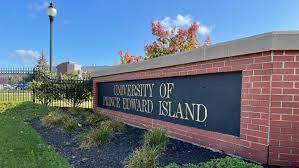
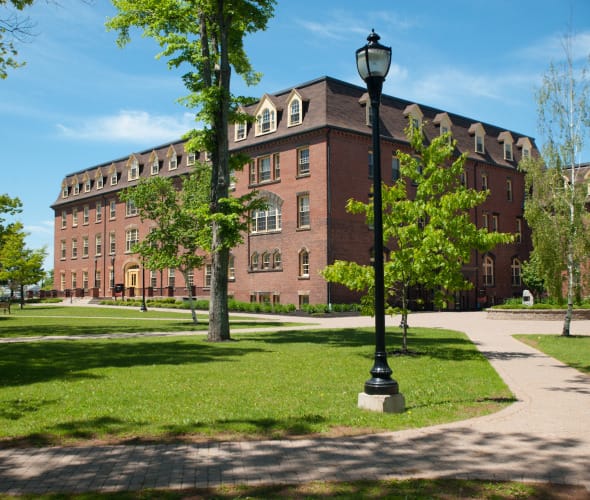
The University of Prince Edward Island (PEI) is a public university in Charlottetown, the capital city of Prince Edward Island, Canada.
It started in 1969 when Prince of Wales College and St. Dunstan’s University joined together.
PEI focuses on teaching, research, and helping the community.
The university offers many programs for undergraduate, graduate, and professional students.
It creates a lively and welcoming place to learn.
The Robertson Library provides a variety of books, journals, and online resources.
The H. L. Cudmore Centre features modern classrooms and teamwork spaces, promoting collaboration.
The Science and Research Complex has advanced labs, and the Chi-Wan Young Sports Centre offers fitness and sports facilities.
Students can live in Andrew Hall, Bernardine Hall, and Blanchard Hall, and enjoy diverse dining options at Wanda Wyatt Dining Hall.
The Student Union Building hosts many student activities and events.
PEI supports over 100 student clubs and societies, fostering community and friendship.
Students are encouraged to volunteer and take part in service-learning projects, with programs available for developing leadership skills.
Academic advising, counseling, career guidance, and support for students with disabilities are available, ensuring student success.
If you’re in Nepal and aspiring to study in Canada, Goreto Educational Consultancy is your ideal partner. We are renowned as the leading consultancy to Study in Canada from Nepal.
Our team assists you through the entire application process, ensuring a smooth transition and successful settlement in Canada for your academic pursuits.
Honours Bachelor Degree from the University of Prince Edward Island (PEI)– Apply here
The Bachelor of Science in Nursing (BScN) at the University of Prince Edward Island (PEI) trains students to become skilled and compassionate nurses. The program includes:
Students learn the basics of nursing, including the role of nurses in healthcare and the history of the profession.
This course covers the structure and function of the human body, which is essential for understanding how to care for patients.
Students learn how to assess patients’ physical and mental health through observation, interviews, and examinations.
This course teaches about medications, how they work, and how to administer them safely.
Students learn how to care for patients with various medical and surgical conditions, including pre- and post-operative care.
This course covers how to support and care for patients with mental health issues.
Students learn how to care for infants, children, and adolescents, addressing their unique healthcare needs.
This course focuses on public health and caring for communities, including disease prevention and health promotion.
Students learn how to conduct and apply research to improve nursing practices and patient care.
Hands-on experience in hospitals, clinics, and community settings, where students apply their skills and knowledge in real-world situations.
The Bachelor of Science in Nursing (BScN) at PEI is a comprehensive program designed to prepare students for a career in nursing. Here are the key details:
The Bachelor of Science in Nursing program at PEI offers a thorough education and practical training, preparing students to excel as professional nurses in diverse healthcare environments.
| Program Code | |
|---|---|
| Program Category Name | Health, Wellness, and Sciences |
| Program Level | Bachelors |
| Campus | Charlottetown Campus |
| Duration | 4 year(s) |
| Fees in CAD | CAD$ 13860 |
| Course Code | Course Title | Type |
| BIO 1060 | Introductory Microbiology for Health Sciences | Non-Nursing Course Requirement #1 |
| BIO 1210 | Human Anatomy | Non-Nursing Course Requirement #2 |
| BIO 1220 | Human Physiology | Non-Nursing Course Requirement #3 |
| NURS 1010 | Foundations of Nursing I | Nursing Course |
| NURS 1020 | Foundations of Nursing II | Nursing Course |
| FN 1020 | Nutrition for Nursing Practice | Non-Nursing Course Requirement #4 |
| PSY 1010 | Introduction to Psychology I | Non-Nursing Course Requirement #5 |
| PSY 1020 | Introduction to Psychology II | Non-Nursing Course Requirement #6 |
| UPEI 1010, UPEI 1020, or UPEI 1030 | Writing Studies, Inquiry Studies, or University Studies | Non-Nursing Course Requirement #7 |
| Course Code | Course Title | Type |
| BIO 1060 | Introductory Microbiology for Health Sciences | Non-Nursing Course Requirement #1 |
| BIO 1210 | Human Anatomy | Non-Nursing Course Requirement #2 |
| BIO 1220 | Human Physiology | Non-Nursing Course Requirement #3 |
| NURS 1010 | Foundations of Nursing I | Nursing Course |
| NURS 1020 | Foundations of Nursing II | Nursing Course |
| FN 1020 | Nutrition for Nursing Practice | Non-Nursing Course Requirement #4 |
| PSY 1010 | Introduction to Psychology I | Non-Nursing Course Requirement #5 |
| PSY 1020 | Introduction to Psychology II | Non-Nursing Course Requirement #6 |
| UPEI 1010, UPEI 1020, or UPEI 1030 | Writing Studies, Inquiry Studies, or University Studies | Non-Nursing Course Requirement #7 |
| PSY 2010 | Developmental Psychology | Non-Nursing Course Requirement #8 |
| NURS 2120 | Pathophysiology for Nursing Students | Nursing Course |
| NURS 2030 | Health Assessment | Nursing Course |
| NURS 2130 | Nursing of Young Families | Nursing Course |
| NURS 2230 | Adult Nursing Transitions in Health | Nursing Course |
| NURS 2320 | Introductory Pharmacology | Nursing Course |
| STAT 1210 or PSY 2710 | Introductory Statistics or Statistics for the Behavioural Sciences I | Non-Nursing Course Requirement #9 |
| IKE 1040 | Indigenous Teachings of Turtle Island | Non-Nursing Course Requirement |
| Course Code | Course Title | Type |
| BIO 1060 | Introductory Microbiology for Health Sciences | Non-Nursing Course Requirement #1 |
| BIO 1210 | Human Anatomy | Non-Nursing Course Requirement #2 |
| BIO 1220 | Human Physiology | Non-Nursing Course Requirement #3 |
| NURS 1010 | Foundations of Nursing I | Nursing Course |
| NURS 1020 | Foundations of Nursing II | Nursing Course |
| FN 1020 | Nutrition for Nursing Practice | Non-Nursing Course Requirement #4 |
| PSY 1010 | Introduction to Psychology I | Non-Nursing Course Requirement #5 |
| PSY 1020 | Introduction to Psychology II | Non-Nursing Course Requirement #6 |
| UPEI 1010, UPEI 1020, or UPEI 1030 | Writing Studies, Inquiry Studies, or University Studies | Non-Nursing Course Requirement #7 |
| PSY 2010 | Developmental Psychology | Non-Nursing Course Requirement #8 |
| NURS 2120 | Pathophysiology for Nursing Students | Nursing Course |
| NURS 2030 | Health Assessment | Nursing Course |
| NURS 2130 | Nursing of Young Families | Nursing Course |
| NURS 2230 | Adult Nursing Transitions in Health | Nursing Course |
| NURS 2320 | Introductory Pharmacology | Nursing Course |
| STAT 1210 or PSY 2710 | Introductory Statistics or Statistics for the Behavioural Sciences I | Non-Nursing Course Requirement #9 |
| IKE 1040 | Indigenous Teachings of Turtle Island | Non-Nursing Course Requirement |
| NURS 3030 | Issues in Nursing and Health Care | Nursing Course |
| NURS 3040 | Nursing Research Methods | Nursing Course |
| NURS 3060 | Nursing of the Childbearing Family | Nursing Course |
| NURS 3130 | Developing Partnerships with Clients in the Community | Nursing Course |
| NURS 3230 | Partnerships with Clients and Families Living with Chronic Illness | Nursing Course |
| NURS 3340 | Psychiatric and Mental Health Nursing | Nursing Course |
| Electives | Two Elective Courses | Non-Nursing Course Requirement #11 and #12 |
| Spring Session | NURS 3100 – Integrated Clinical Experience I | Nursing Course |
| Course Code | Course Title | Type |
| NURS 4010 | Nursing and Population Health | Nursing Course |
| NURS 4020 | Integrated Clinical Experience II | Nursing Course |
| NURS 4030 | Nursing Leadership and Primary Health Care | Nursing Course |
| NURS 4040 | Conceptual Models and Nursing Theories | Nursing Course |
| Electives | One Elective Course | Non-Nursing Course Requirement #12 |
| READING | WRITING | LISTENING | SPEAKING | OVERALL | |
| IELTS | 6.0 | 6.0 | 5.5 | 5.5 | 6.0 |
| TOEFL | 19 | 19 | 19 | 19 | 80 |
| PTE | 55 | 55 | 55 | 55 | 60 |
To enroll in this Bachelor Honours Bachelor Of Science In Biotechnology, you must possess the following qualifications and minimum marks.
POSTGRADUATE PROGRAMS
– Bachelor’s degree with 60% or above in the relevant course
– IELTS score of 6.5 with no individual score less than 6.0. (Recommended IELTS 7.0 not less than 6.0 and 65 -70 % or above in Degree)
ADVANCED DIP/ DIPLOMA PROGRAMS
– IELTS score of 6.0 with no individual score less than 5.5.
– Students with 5.5 bands in Writing and reading are not eligible for admission. (Recommended IELTS 6.5 not less than 6.0 and 65 -70 % or above in 12th Grade)
BACHELOR DEGREE PROGRAMS
– IELTS score of 6.5 with no individual score less than 6.0.
– Minimum 65% average scores required.
Fundamental job skills in nursing are essential for providing high-quality patient care and excelling in the profession. Here are some key skills:
These fundamental job skills help nurses provide effective, compassionate, and efficient care, ensuring positive patient outcomes and maintaining high standards in healthcare settings.
From choosing the right country to finding scholarships and housing — our counselors will guide you at every step.
Choose the right country based on your goals
Find courses that match your career plan
Get guidance on colleges and universities
Plan your finances, scholarships & part-time jobs
Plan your abroad stay & post-study plan

Schedule a free consultation with our expert counselors to discuss your study

Schedule a free consultation with our expert counselors to discuss your study