


Dhiraj Kandel
Managing DirectorSchedule a free consultation with our expert counselors to discuss your study
The essentials at a glance
Studying in Australia in 2026 is an exciting goal for many Nepali students, but it often comes with a lot of confusion. With so much information available online, it can be hard to know what is accurate and what actually applies to students from Nepal. Many students are unsure about costs, English requirements, and how strict the visa process really is.
Main points from this page
Studying in Australia in 2026 is an exciting goal for many Nepali students, but it often comes with a lot of confusion. With so much information available online, it can be hard to know what is accurate and what actually applies to students from Nepal. Many students are unsure about costs, English requirements, and how strict the visa process really is.
Due to an increase in fake and non-genuine documents submitted from parts of South Asia, Australian authorities are now reviewing student visa applications more carefully. This means greater attention is given to students who have clear academic backgrounds, genuine financial documents, and a realistic study purpose. The reality is simple: Australia is still open for Nepali students in 2026. However, students who prepare early, submit honest documents, meet English requirements, and clearly explain their study plans have a much stronger chance of success.
This guide shares the latest, factual, and Nepal-relevant information to help you move forward the right way.
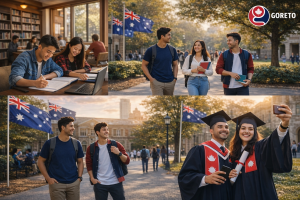
Australian universities mainly offer three intakes each year:
| Intake | Course Start | Remarks |
|---|---|---|
| February | February | Main intake, widest course availability |
| July | July | Second major intake |
| October / November | Oct–Nov | Limited courses and universities |
For Nepali students, February and July intakes are strongly recommended due to better course availability, smoother visa timelines, and higher approval stability.
Based on demand, employability outcomes, and past enrollment trends, Nepali students commonly choose:
Business and Management
Information Technology and Computer Science
Engineering (Civil, Software, Electrical, Mechanical)
Accounting and Finance
Nursing and Health Sciences
Hospitality and Tourism Management
All these programs are offered by CRICOS-registered Australian institutions and are suitable for both Bachelor’s and Master’s applicants from Nepal when there is a logical academic progression.
| Level | Estimated Range (AUD) |
|---|---|
| Bachelor’s Degree | 20,000 – 45,000 |
| Master’s Degree | 22,000 – 50,000 |
| IT / Engineering / Nursing | 30,000 – 55,000 |
Tuition fees depend on the university, course, ranking, and city.
The Australian Government currently requires students to show AUD 29,710 per year as living cost evidence for a single student.
This amount is intended to cover:
Accommodation and food
Transport and daily expenses
Utilities and basic living costs
Proper financial planning is critical. Applications with unclear funding sources or unrealistic financial claims are among the top reasons for student visa refusals.
| Item | Amount (AUD) |
|---|---|
| Student Visa (Subclass 500) | From 2,000 |
| Overseas Student Health Cover (OSHC) | Varies |
| Medical & Biometrics | As required |
| Airfare & initial settlement | Varies |
Most Nepali students should realistically plan AUD 55,000 – 75,000+ for the first year, depending on your course and the city you choose to stay.
(Approximate NPR equivalent usually falls in the mid-50s to low-70s lakh range) *subject to exchange rate and personal lifestyle
| Level of Study | IELTS Overall | IELTS (Not Less Than) | PTE Overall |
|---|---|---|---|
| Bachelor’s Degree | 6.0 | 5.5 | 50 – 58 |
| Master’s Degree | 6.5 | 6.0 | 58 – 65 |
| PhD / Research Programs | 6.5 – 7.0 | 6.0 – 6.5 | 65 – 70 |
Only valid, genuine, and verifiable English test results are accepted for both admission and visa purposes.
Nepali students must submit the following for a Subclass 500 visa:
Confirmation of Enrollment (CoE)
Proof of tuition payment and living cost evidence
Genuine Student (GS) statement
Valid passport and English test results
Overseas Student Health Cover (OSHC)
The GS requirement replaces the older GTE system. It focuses on genuine intent, logical course choice, and realistic future plans.
Weak or generic GS statements remain a common reason for refusals.
Australia has tightened student visa checks due to:
Fake financial documents
Forged academic records
Non-genuine study intentions
Poor SOP(Statement of Purpose) or GS(Genuine Student) preparation
In practice, this means applications with weak documents face higher scrutiny. However, genuine Nepali students continue to receive approvals.
There is no official ban or quota for Nepal. Authorities focus on authenticity, not nationality.
Students can work 48 hours per fortnight during study
Full-time work is allowed during official breaks
Dependents can be included with higher financial evidence
Studying in Australia in 2026 remains a realistic option for Nepali students. Early planning, honest documentation, and a strong GS statement are essential.
Although visa checks are stricter, well-prepared students still succeed. Clear academic goals and transparent finances improve approval chances.
At Goreto Educational Consultancy, we understand the challenges Nepali students face today. With six branches across Nepal and Canada, we offer:
Personalized course and university guidance
Genuine document review
Strong SOP and GS statement support
Step-by-step visa assistance
IELTS and PTE planning
Financial and scholarship guidance
We focus on transparency, accuracy, and long-term success.
Visit any Goreto branch or Contact Us today to plan your Australia 2026 study journey with confidence.
Our success reflects the experiences of our students. Read genuine Google reviews from students who trusted Goreto Educational Consultancy.
Click Here: Goreto Google Reviews
Important guidance note
This page provides general guidance about studying abroad. Requirements, fees and policies can change. For advice about your situation, speak with a Goreto counsellor before applying.



Book Your Free Consultation
From choosing the right country to finding scholarships and housing, our counselors will guide you at every step.
Choose the right country based on your goals
Find courses that match your career plan
Get guidance on colleges and universities
Plan your finances, scholarships & part-time jobs
Plan your abroad stay & post-study plan
Schedule a free consultation with our expert counselors to discuss your study

Schedule a free consultation with our expert counselors to discuss your study